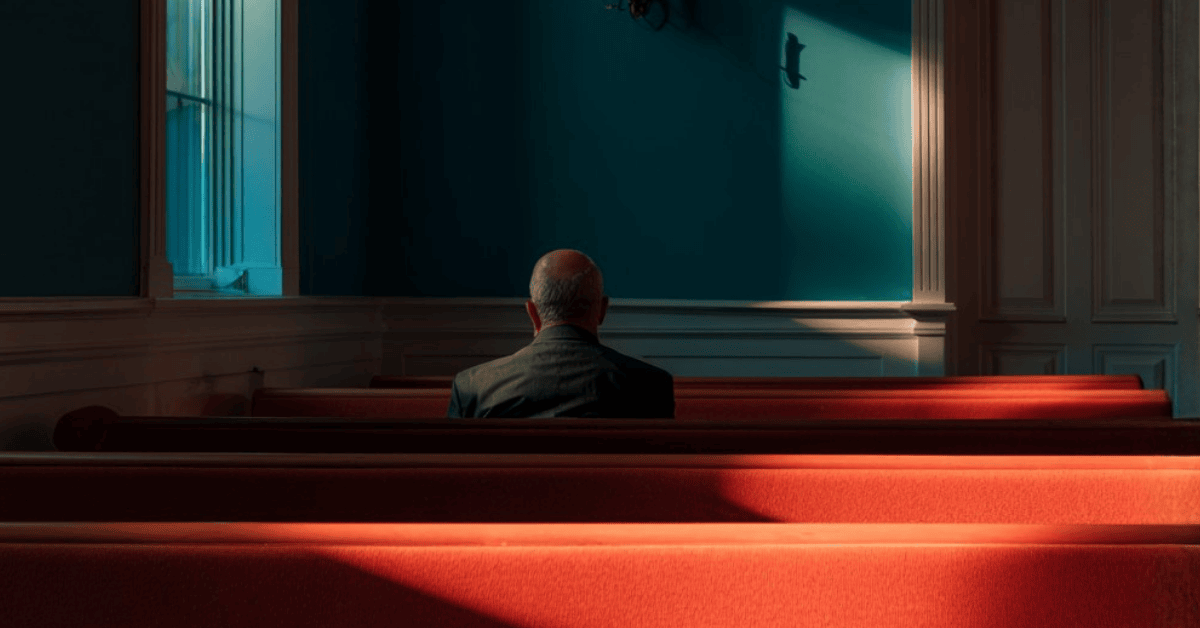


When the Church Was the Problem: Finding Faith Again After Clergy Abuse
I’ve sat across from survivors who grew up believing their pastor or priest embodied goodness itself. That kind of trust shapes childhood — the way you pray, the way you think about right and wrong, the way you picture safety. When the person who preached comfort ends up causing the deepest wound of your life, the fallout hits your spirit as hard as your body and mind.
Some survivors tell me they can’t walk into a church without feeling their chest tighten. Others say they miss the version of God they once trusted but can’t return to anything that reminds them of the person who harmed them. A few describe an ache that feels like losing a piece of themselves they never expected to question.
If you’re carrying that tension — wanting faith, avoiding it, missing it, resenting it, or not knowing what you believe anymore — you’re in company with many survivors in Arkansas. A steady legal advocate can help survivors feel grounded while they sort through the ruins of both trauma and spiritual identity. That’s why some people start with Arkansas clergy abuse legal help to understand that support exists before any decisions are made.
When Your Spiritual Foundation Cracks Without Warning
Clergy abuse isn’t just a physical or emotional violation. It’s an assault on the part of you that once felt the safest. For kids and teens, religious authority shapes their sense of moral truth. When that authority becomes the source of harm, the internal collapse can feel catastrophic.
Survivors describe:
- Losing the ability to pray without memories intruding
- Feeling guilty for stepping back from church, even though distance helps them breathe
- Wondering whether God was present during the abuse
- Feeling abandoned by the faith community that once felt like family
- Grieving the version of themselves that trusted without fear
These reactions don’t reflect weakness. They reflect injury. The spirit does what it must to protect itself. Pulling away from faith isn’t rejection — it’s survival.
I’ve heard parents say they watched their child go from being excited about church activities to refusing to attend. Some kids shut down. Others rebel. Parents often blame themselves before they ever suspect the real reason.
When survivors reach adulthood, the struggle can deepen because they’re no longer inside the community they once relied on. They’re left trying to rebuild a life while carrying a fractured spiritual identity.
When the Community Chose the Abuser Over the Survivor
For many survivors, the abuse wasn’t the only shattering blow. It was what came after.
Some churches protect their reputation at any cost. Survivors who report abuse often encounter:
- Denials from leadership
- Pressure to “forgive and move on”
- Community gossip that paints the survivor as the problem
- Sermons that twist religious language into a shield for the abuser
- Friends distancing themselves to stay in good standing with leaders
That second betrayal cuts deep. Survivors often tell me they could have healed faster if even one trusted adult had stepped forward.
This pattern is painfully common, and it mirrors experiences described in accounts of harm caused by community members.
When a congregation refuses to protect a child, survivors often lose not only their faith but also their entire social world. Church is where they learned to sing, celebrate, gather, and connect. Losing it feels like losing home.
Can You Still Believe After Abuse?
This question sits quietly inside many survivors, even if they rarely say it aloud. The answers vary more than people expect.
- Some survivors still feel drawn to God but not the institution
They might believe in God deeply yet feel physically unsafe walking into a church. They may keep certain prayers, rituals, or symbols that once brought comfort but now carry them privately.
- Some redefine faith on their own terms
Instead of trusting an institution again, they rebuild a spiritual connection that reflects their lived experience. They read sacred texts differently. They create boundaries around spiritual leadership. They stop believing anyone speaks for God but themselves.
- Some return to faith slowly with new safeguards
These survivors often say they never lost faith in God — they lost faith in people who misused power. They return to worship spaces that prioritize transparency, accountability, and survivor safety. They choose communities that refuse to excuse abuse.
- Some walk away entirely
Many survivors find strength, clarity, purpose, and peace outside religion. They don’t feel lost. They feel free. Their decision isn’t rebellion — it’s healing.
- Some fluctuate for years
Spiritual identity after trauma is rarely fixed. Survivors shift, question, leave, return, rebuild, release, and reconsider. Every stage counts as progress because every stage reflects growth.
The question can you still believe in God after abuse doesn’t have a single answer. Faith after trauma looks different for every survivor.
And the broader question of religion and trauma centers on this truth: you get to choose how — or whether — spiritual beliefs fit into your future.
What Happens When Your Mind Wants Faith but Your Body Doesn’t?
A lot of survivors describe a strange split. Their thoughts say faith mattered. Their body says danger. Both reactions are valid.
Trauma lives in the body. A church building, a hymnal, a priest’s voice, or even the scent of candles can trigger stress signals before the mind has a chance to evaluate what’s happening.
Survivors sometimes feel ashamed when their body reacts this way. They think it means they’re weak or failing spiritually. The truth is simpler: your nervous system is trying to protect you.
Healing often involves helping the body and mind learn new associations, and that takes time — sometimes years. No one gets to shame you for your timeline.
Parents Face a Different Spiritual Wound
When the survivor is a child, parents often experience their own spiritual crisis. They feel guilty for trusting the church. They feel angry at themselves for missing signs. They feel betrayed by leaders who once blessed their marriages, baptized their babies, or prayed over their families.
Some parents tell me they don’t know how to raise their child spiritually anymore because every religious setting feels risky. Others try to separate their faith from the institution that failed them. All of those reactions make sense.
A parent’s first priority becomes safety, and during active cases they often turn to resources that outline child safety during investigations.
How Legal Action Helps Survivors Reclaim Spiritual Ground
Justice doesn’t replace faith. It doesn’t restore innocence or erase memories. But it does return something the abuser tried to steal: your sense of control.
Survivors who pursue legal action often describe unexpected spiritual shifts:
A clearer sense of right and wrong
When institutions distort religious language to protect abusers, survivors can feel morally confused. A legal case offers clarity that some churches refused to give.
Validation that the harm was real
For survivors who were silenced inside their congregation, being heard by a legal advocate can feel like oxygen.
Relief from carrying the burden alone
Many survivors say they didn’t realize how heavy the secret felt until someone else helped shoulder it.
A path to protect other children
Survivors often describe this as the turning point in their healing. Taking action doesn’t erase pain, but it transforms it into purpose.
Space to rebuild or release faith
Some survivors reconnect with God once they feel safe again. Others walk away peacefully after realizing their spirituality doesn’t need to be tied to the institution that betrayed them.
Faith After Clergy Abuse in Arkansas
In Arkansas, religious communities often play central roles in family life. That can make speaking up harder. Survivors worry about backlash, judgment, or isolation. But many discover that once they reach out for help, the fear loses some of its power.
Arkansas law recognizes that clergy abuse is a severe violation of trust. Survivors have pathways to report, pursue civil cases, and seek support without facing the institution alone.
Survivors don’t have to choose between healing and faith. They don’t have to decide today whether they want religion in their future. They only need one thing: a safe place to start sorting through the questions.
Rebuilding Faith — or Rebuilding Life Without It
Your spiritual identity belongs to you. Not the person who harmed you. Not the institution that hid the truth. Not the community that failed to protect you.
You’re allowed to:
- Rediscover a faith that feels gentle and safe
- Let go of beliefs that now feel tied to trauma
- Build a new spiritual path that reflects your values
- Find peace outside religion entirely
- Change your mind as often as you need
Healing after clergy abuse doesn’t mean returning to who you were before. It means discovering who you are now — and giving that person permission to grow.
When you’re ready, you can talk with someone who understands both the emotional and legal weight of what you’ve lived through. You deserve support that honors your story, your boundaries, and your spiritual journey, whatever shape it takes next.
Get social